
A Bhutan Love Affair: My Journey with Six Senses
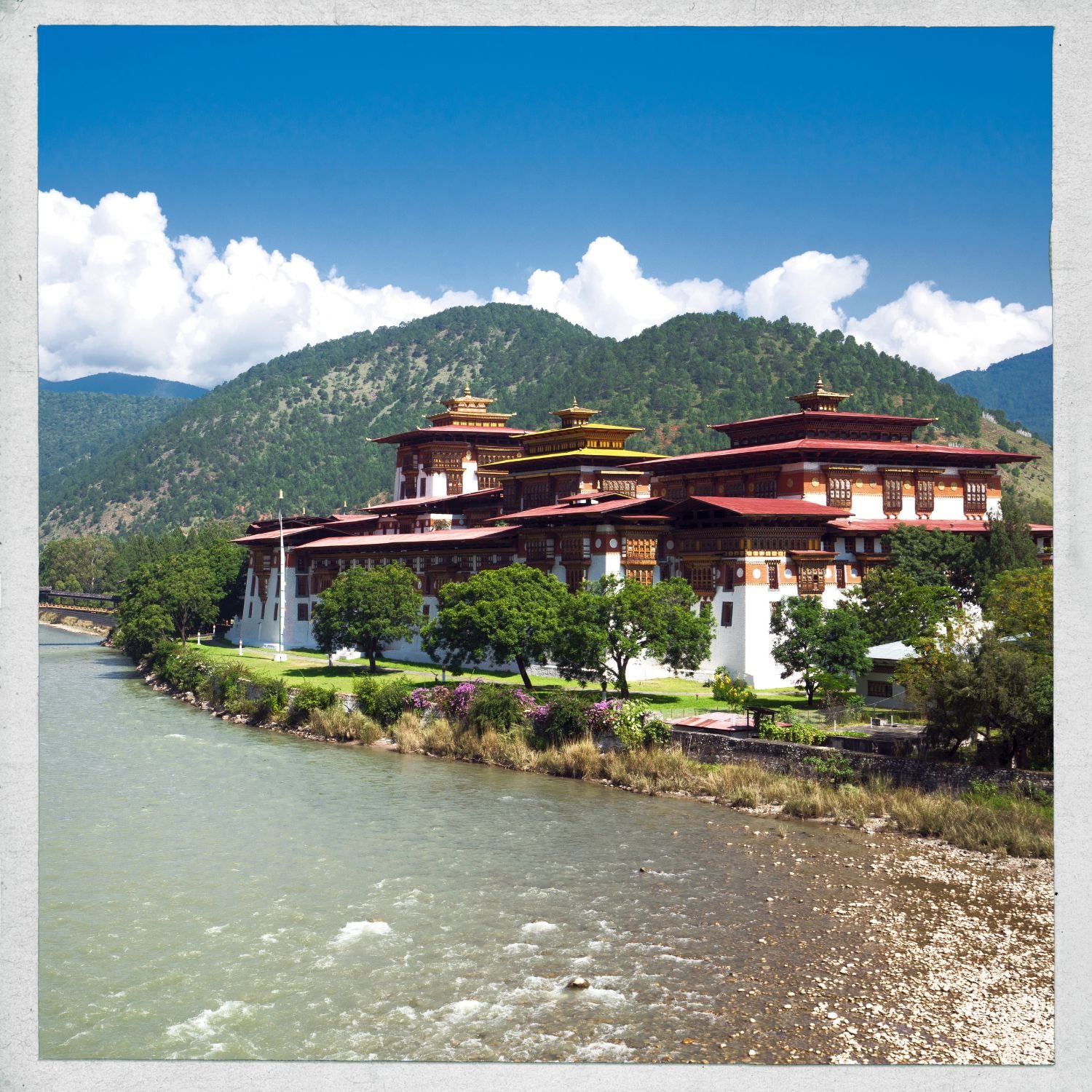
Bhutan had been at the top of my wish list for a number of years, so when the invite came to go on a familiarisation trip with Six Senses, it took me all of about two seconds to say yes. It was truly the opportunity of a lifetime and one I’ll be forever grateful for.
Before delving into the nuts and bolts of the experience, I feel the need to highlight just how magical and transformative a trip to this country can be. It’s become a bit of a running joke between my friends at how much I ‘bang on’ about Bhutan, but it’s for good reason and I’d love nothing more than for you to experience it for yourself.
It’s hard to put into words exactly why I loved my time there so much. It wasn’t just the sense of adventure but also that it felt like a true privilege to visit a country so few others get to experience. We witnessed countless special moments and met some incredible and inspiring people. I don’t think I've ever been so instantly immersed in a culture, or made to feel so welcome as I did from the moment I arrived in Bhutan.
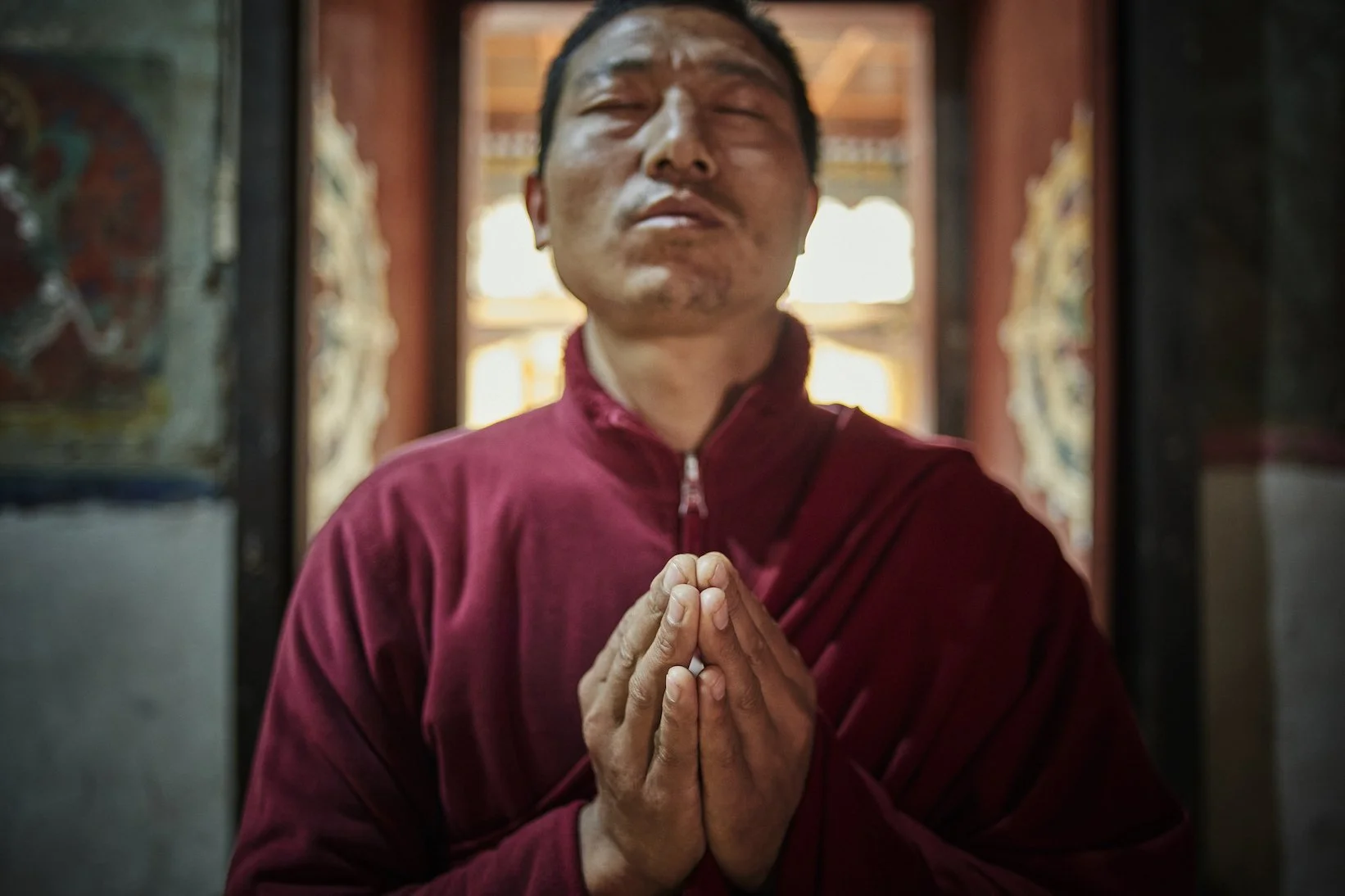
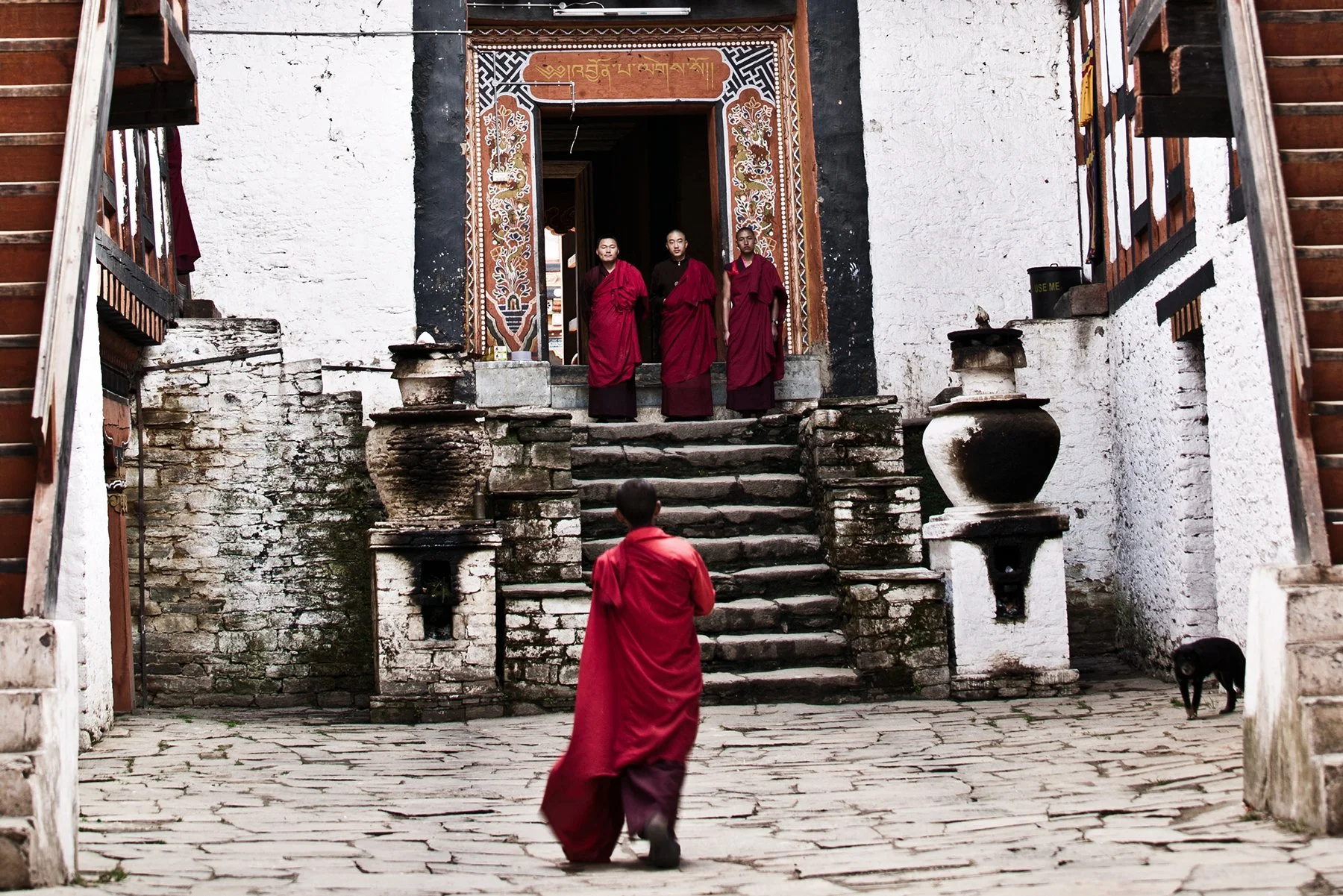
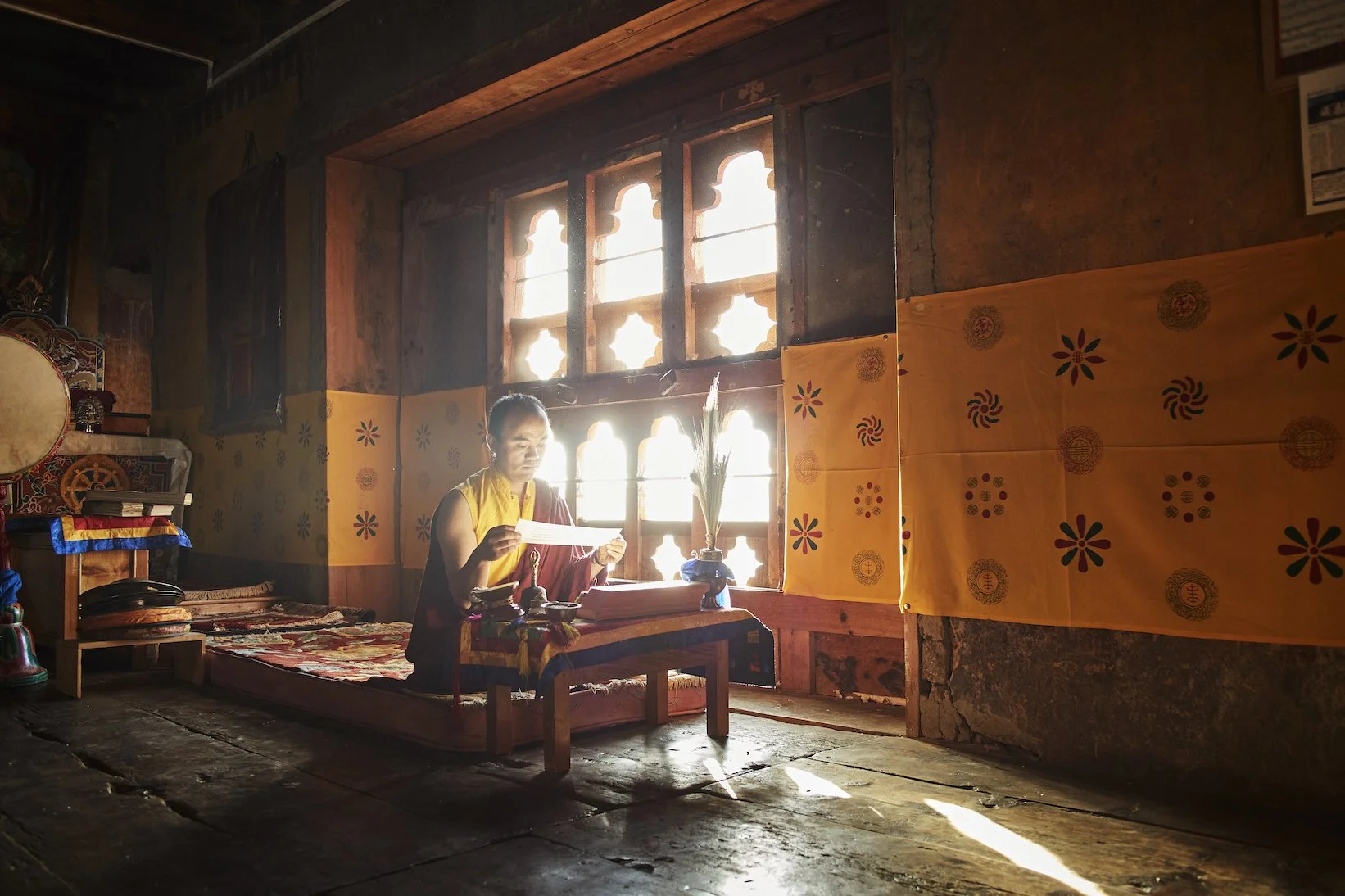
Nothing was scripted, yet witnessing all parts of everyday life here felt so special and sacred. There were occasions in some of the local monasteries, watching the monks pray and go about their daily rituals, where I felt like I was having an out-of-body experience. If felt like I was just waiting to be caught, then thrown out. Except the opposite was true, we couldn’t have been welcomed with more open arms.
My Trip Highlights
Aside from being constantly overwhelmed by everything around me (in the best way possible), here are a few of my standout moments…
Hiking from Six Senses Punakha across terraced rice fields to a 16th century monastery where we joined young monks for breakfast. They took time to take us on a tour, chatted with us over breakfast and offer insight into their daily lives and why they had decided to become monks. A very special experience.
Observing prayers inside Kurjey Lhakhang. A mind-blowing and life-changing moment.
Hiking along the river in Punakha, then kayaking back to base with the views of the Punakha Dzong.
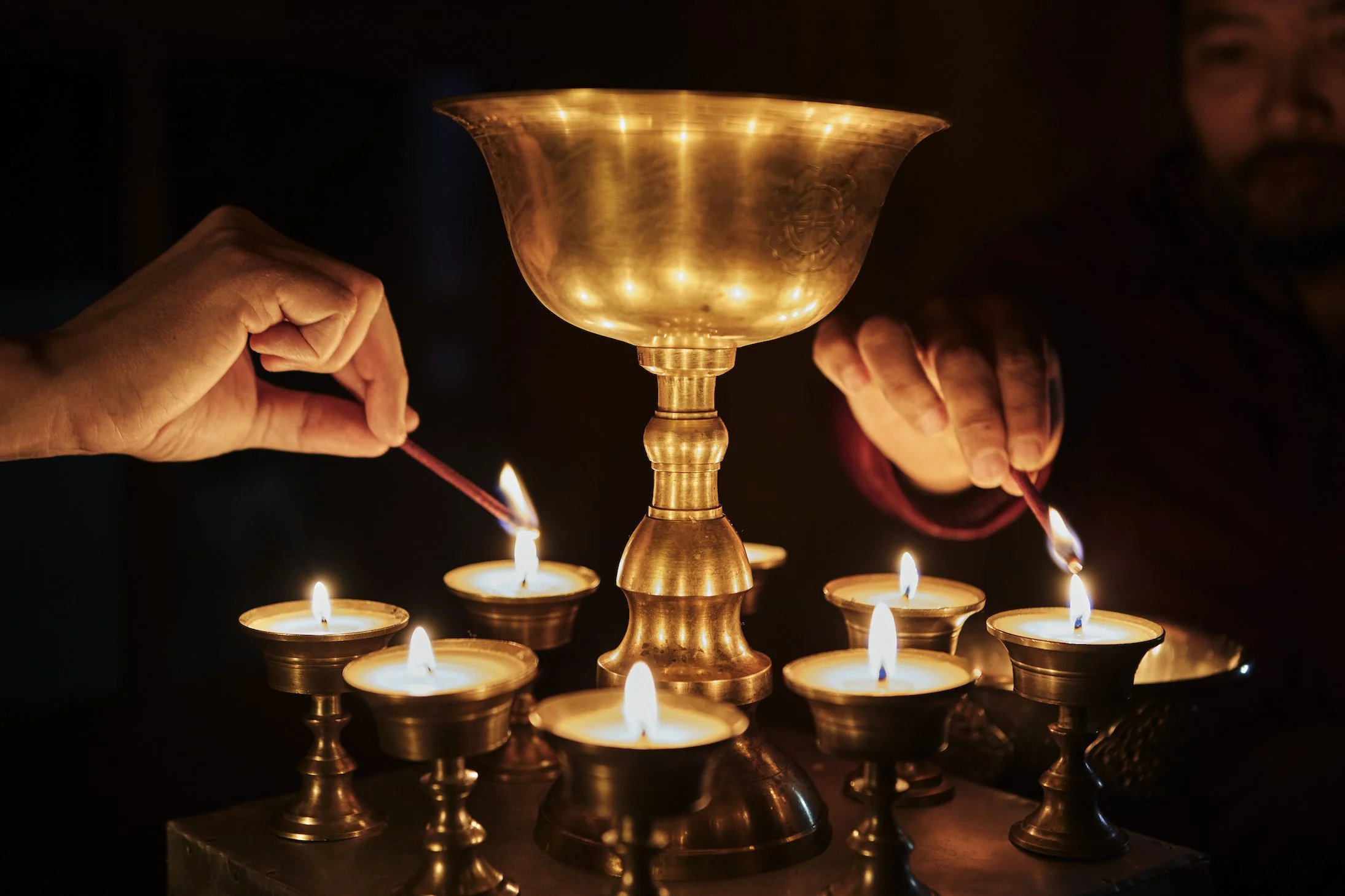
Lighting butterlamps. We did this on a few occasions and I loved it each time.
A surprise secret lunch set up by the river in Bhumtang. Six Senses style of course.
Receiving a neck and shoulder massage on arrival at every lodge. A foot massage in Paro after the hike to Tiger’s Nest was an added bonus and well needed.
Bhumtang valley in general. It’s the valley that tends to be the one many people miss out due to time and access (it involves an extra flight) but if you do make the effort, I promise you it’s worth it.
Whilst the destination is the experience, I can’t not mention the amazing Six Senses lodges. Five in total and each very different; authentic, relaxed but with the Six Senses signature style.
So now you have the sense of just how much I adore this country, let’s get into the details of our journey…
An Overview of Bhutan - Land of the Thunder Dragon
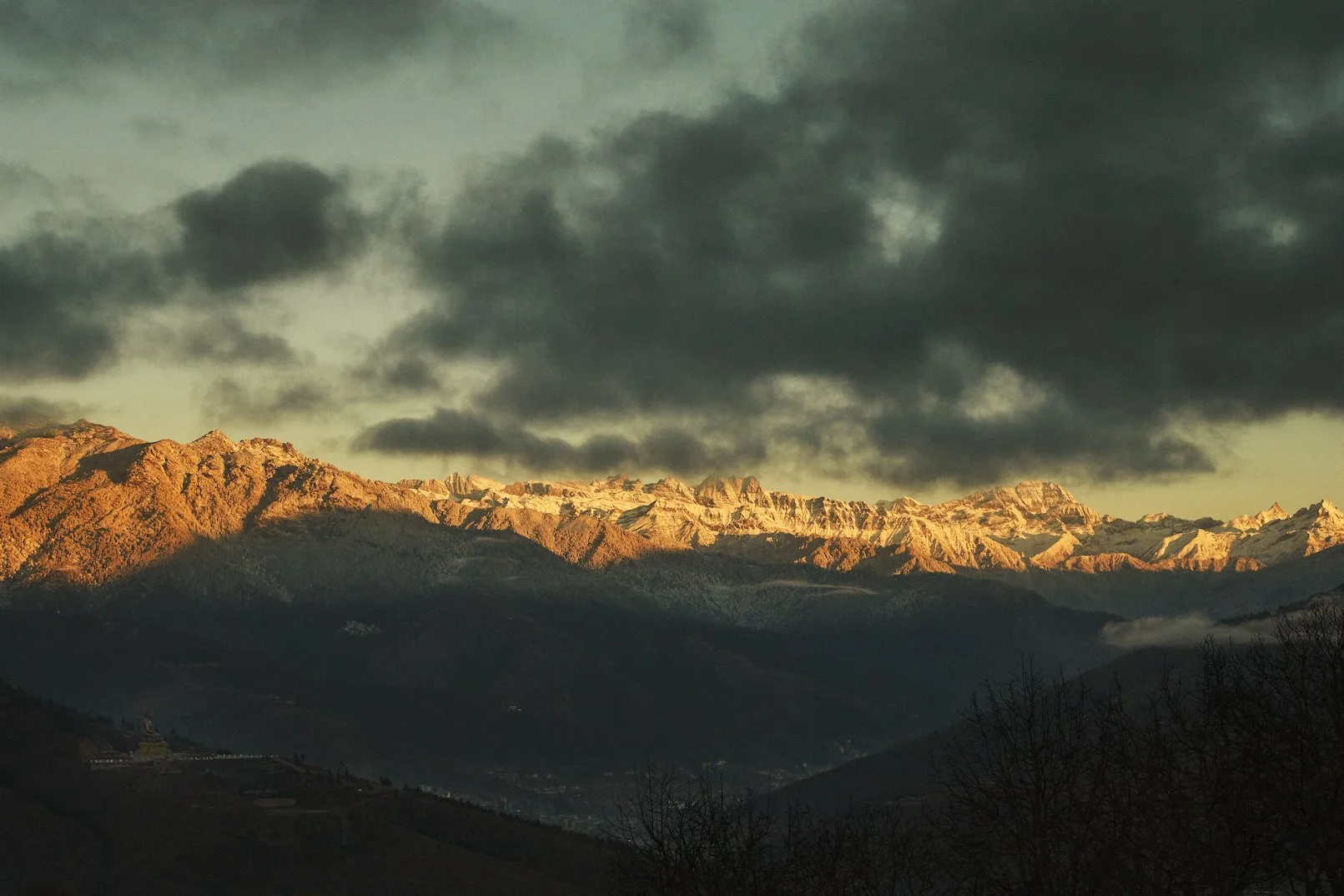
Bhutan is a landlocked country in east Asia, nestled in the Himalayas between India and China (Tibet). Alongside being known for its outstanding natural beauty, their unique style of governance has also gained attention. Following the philosophy that the government's primary function is to provide happiness to its people, they measure ‘Gross National Happiness’ instead of Gross National Product - a concept I’m fully on board with.
Travel through the country is broken down by its distinctive valley’s, the main ones including; Paro, Thimphu, Bumthang, Phobjikha (Gangtey) and Punakha. It’s not essential to visit all of them, but if time allows then I would highly recommend that you do as it will allow you to experience the country in all its glory.
Whilst a visit to Bhutan is very much focused on the destination itself, you’ll find a range of accommodation options, from luxury lodges to local home stays. This blog very much focuses on my time with Six Senses but for a more general overview, you can also visit my Practical Guide to Bhutan post.
The Six Senses Journey
Six Senses is a hotel group that seems made for somewhere like Bhutan - as a brand that values wellness, sustainability and local sensitivity, they really are the perfect match. They have five lodges across the country, and a stay in each makes up the Six Senses Bhutan Journey and it’s the journey we we lucky to experience over the next 10 days…
Day 1 & 2 - Six Senses Thimphu - The Palace in the Sky
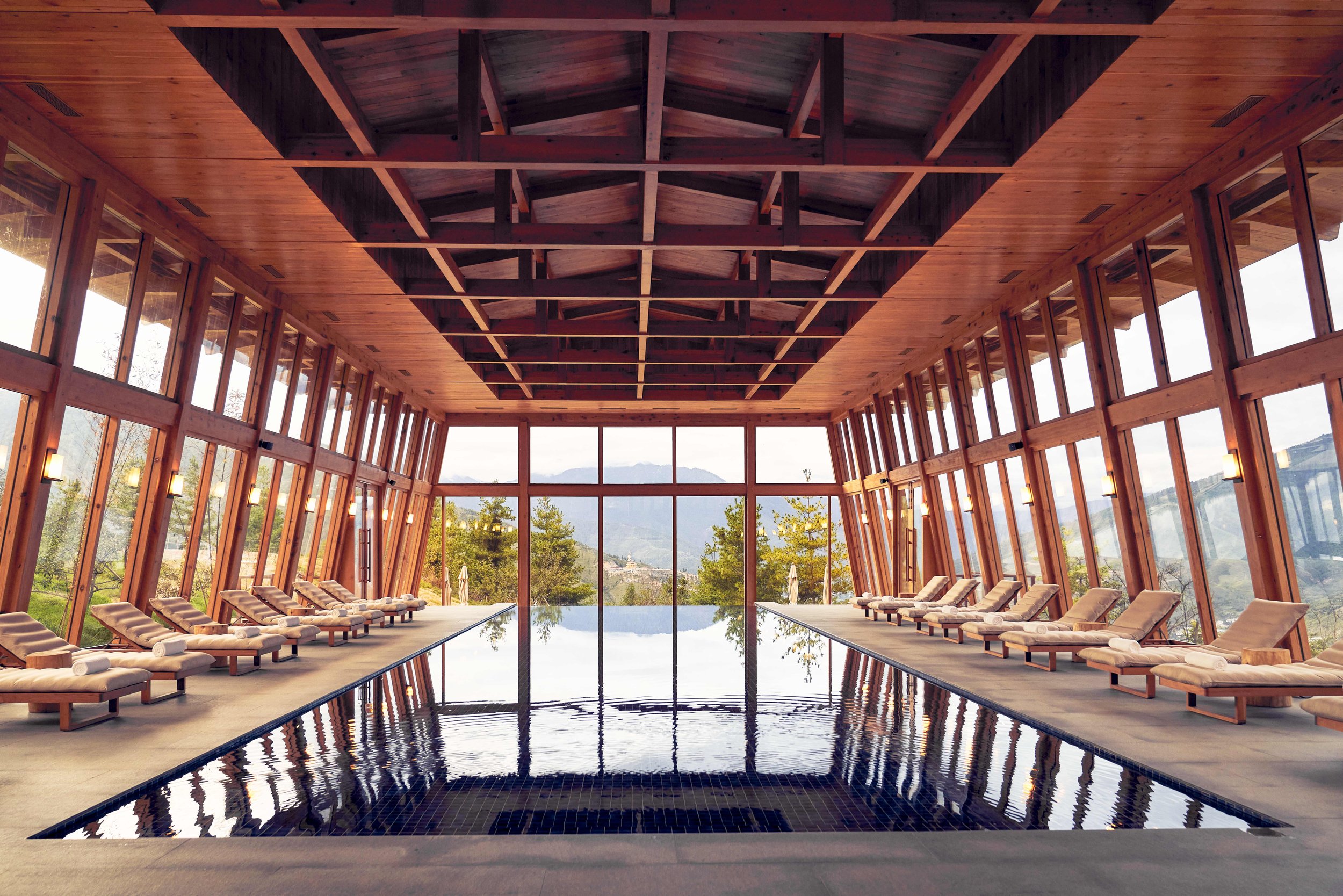
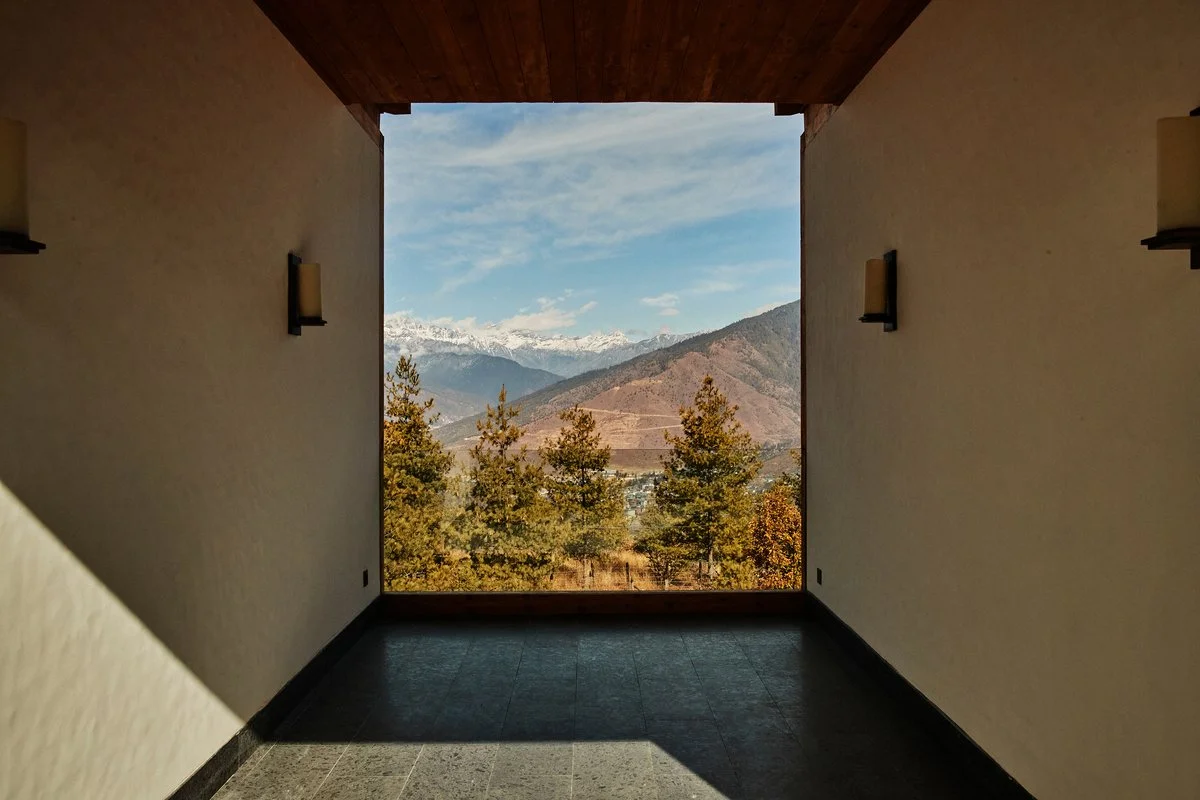
After a long international flight, spending two nights at Six Senses Thimphu was the perfect gateway to start our trip. Our first afternoon was very much geared to recovering from our travels. Nothing but a long lunch to soak up the surrounding views, and a light stretch with the lodge’s yoga practitioner. I may have also indulged in my first (of many) spa treatments,‘when at Six Senses’.
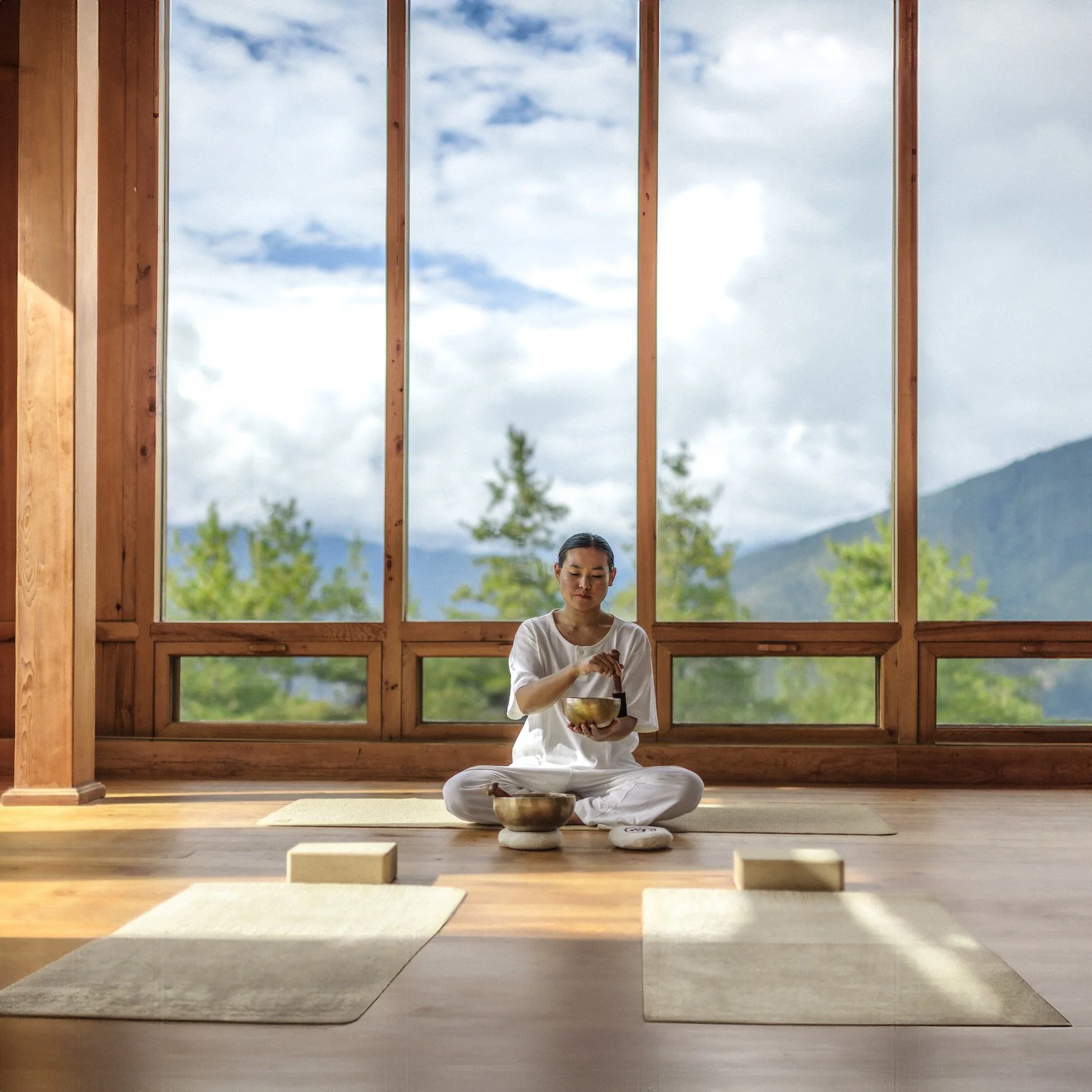
Our first full day began with a guided meditation on the lodge’s prayer pavilion. I wouldn’t say I’m usually a meditation kind of person. Calming my mind down doesn’t come naturally, yet here, it somehow felt easy.
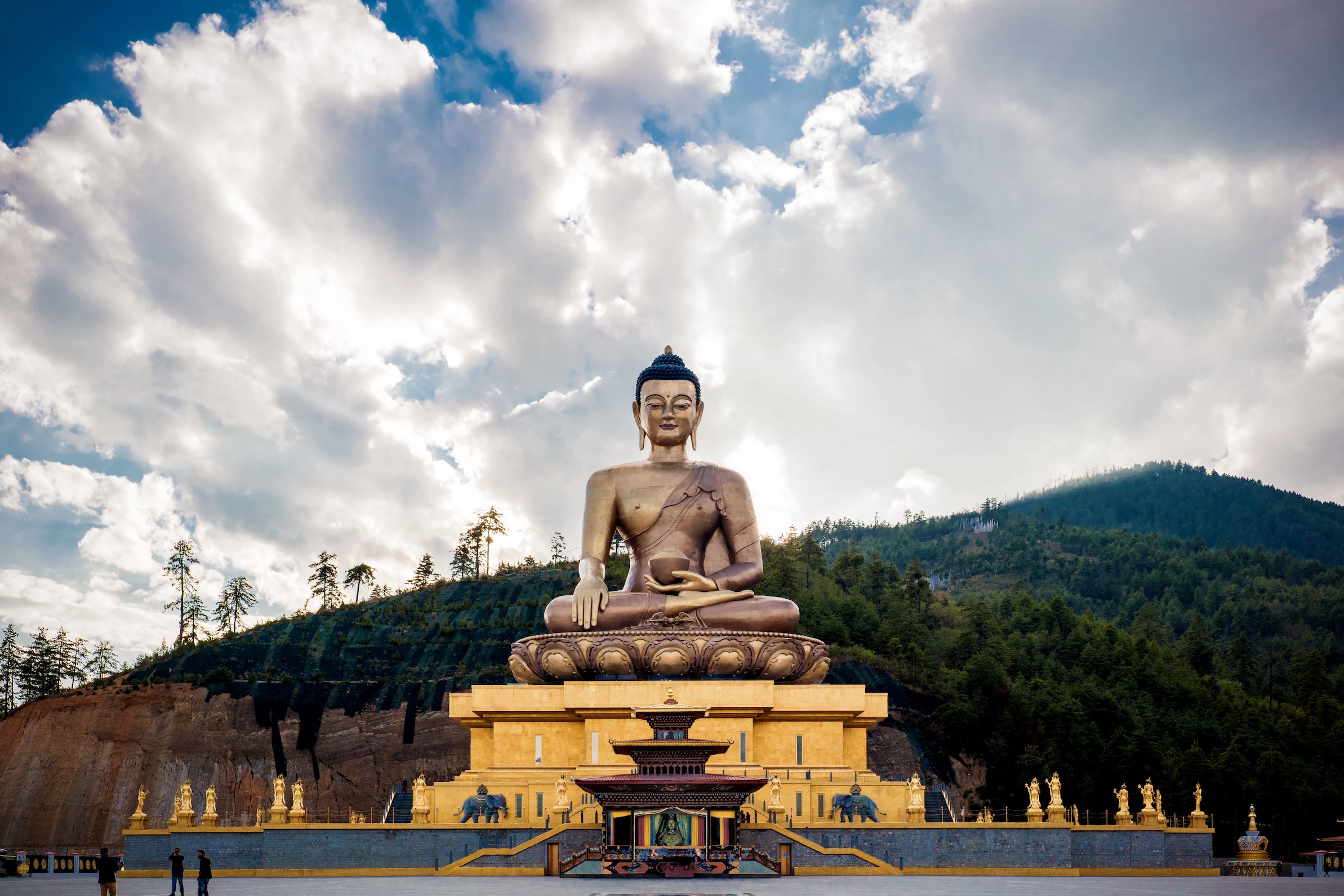
Feeling zen we headed off on our first experience outside the lodge. A 40 minute drive took us to Kuensel Phodrang Nature Park to visit Buddha Dordenma - a Buddha of great significance to the country and its people. Resembling the embodiment of peace, prosperity and happiness, it was fascinating to venture inside to discover a futher 125,000 smaller Buddhas hidden within.
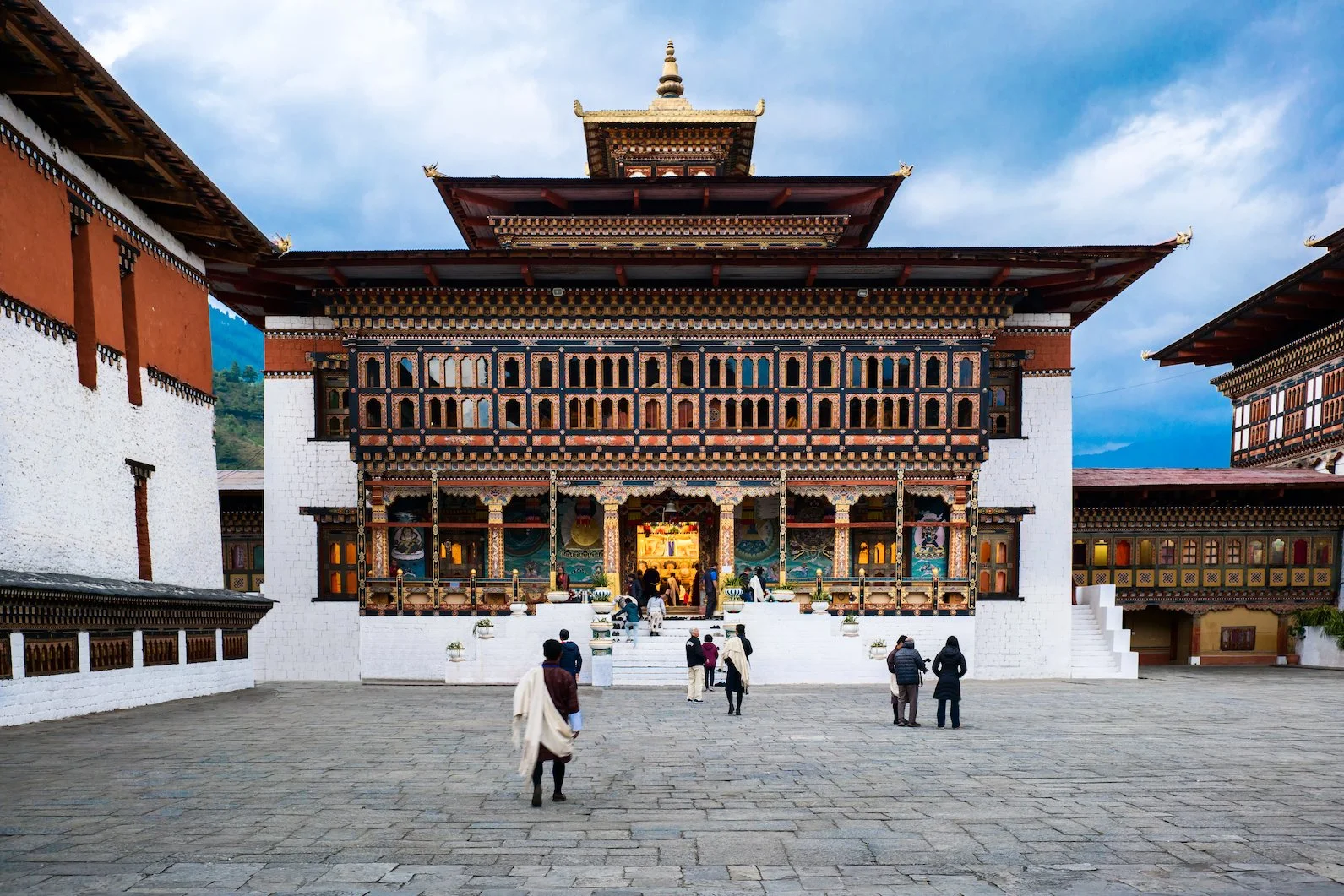
From here we ventured into Thimphu city where we got to join Thimphu residents for our first Kora circumambulation* at the Memorial Chorten. *Kora (circumambulation) in Bhutan is a vital, sacred walking meditation around holy sites, temples, or stupas to gain merit and blessings.
As we made our way back to the lodge we had time to pop into a local paper making workshop. Watching a local craftsman work with traditional handmade methods was quite mesmerising. Our education of Bhutanese traditions continued back at the lodge where we spent a gorgeous afternoon making our own butterlamps. These lamps are used to light your spiritual path, to ensure an auspicious journey through life. They fast became one of my favourite things about Bhutan.
![Thimphu_Courtyard_Dinner_Setup2_[9198-LARGE].jpg](https://images.squarespace-cdn.com/content/v1/6842b11fd3fadb0a8485a54d/1772109412628-BO27IC9ELLP2U2BSIP96/Thimphu_Courtyard_Dinner_Setup2_%5B9198-LARGE%5D.jpg)
![Thimphu_Suites_and_Villa_Exterior_[9230-LARGE].jpg](https://images.squarespace-cdn.com/content/v1/6842b11fd3fadb0a8485a54d/1772109414123-6KEVI5V4R7P9XJIF16ZJ/Thimphu_Suites_and_Villa_Exterior_%5B9230-LARGE%5D.jpg)
Day 3 & 4 - Six Senses Bumthang - Forest in a Forest
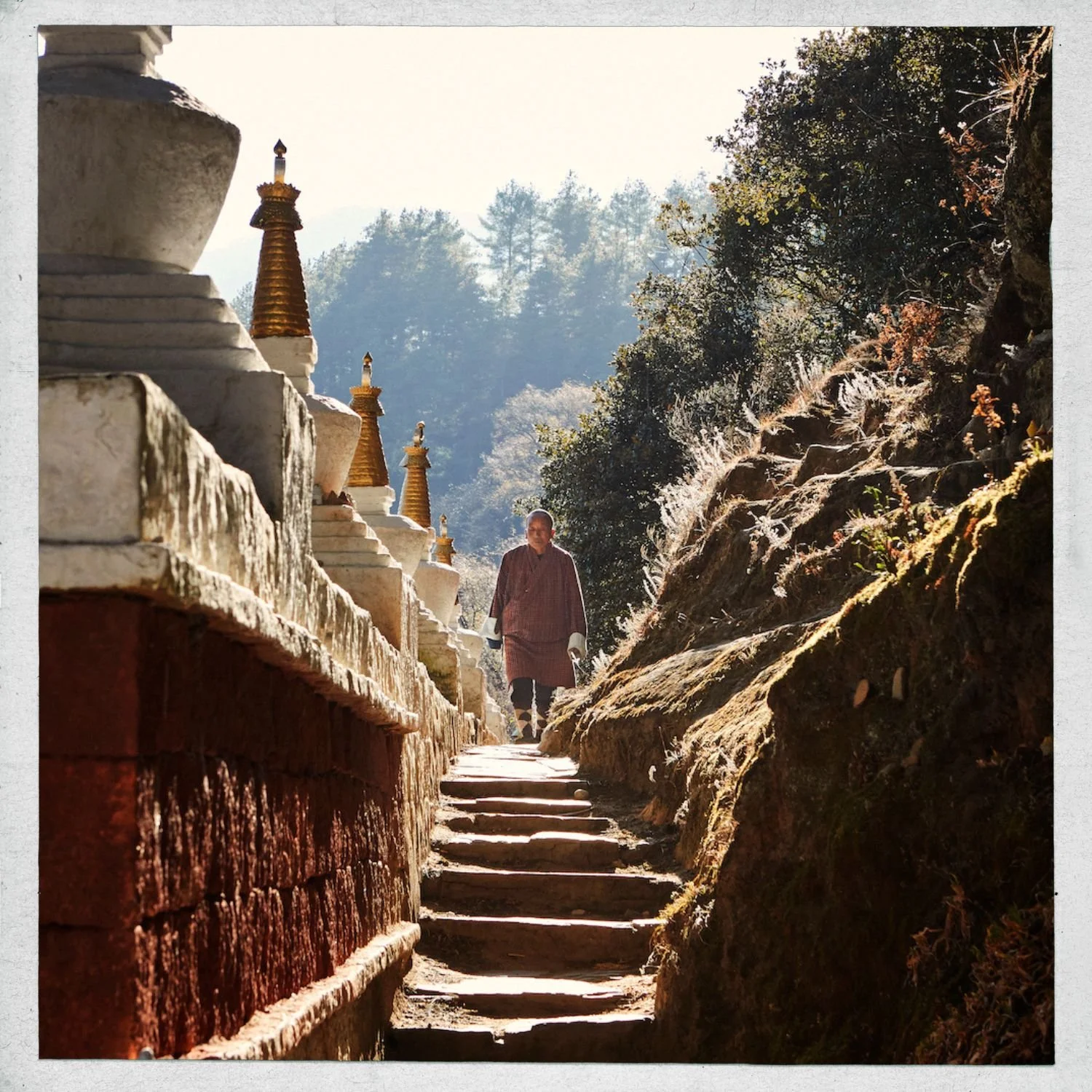
Next stop, Bumthang valley. A valley known for it’s beauty and sense of magic. Bumthang town itself is full of history, sites of religious importance and the deep faith of its people, which undeniable when bypassing the holy sites.
To reach Bumthang, we took the 60 minute drive back to Paro airport, before jumping on a 35 minute domestic flight. Then Six Senses Bumthang was an easy 15 minute transfer from the airport.
No sooner had we checked in before being whisked away to a super special lunch in a hidden forest next to the river. It’s side experiences like this that make the journey even more special.
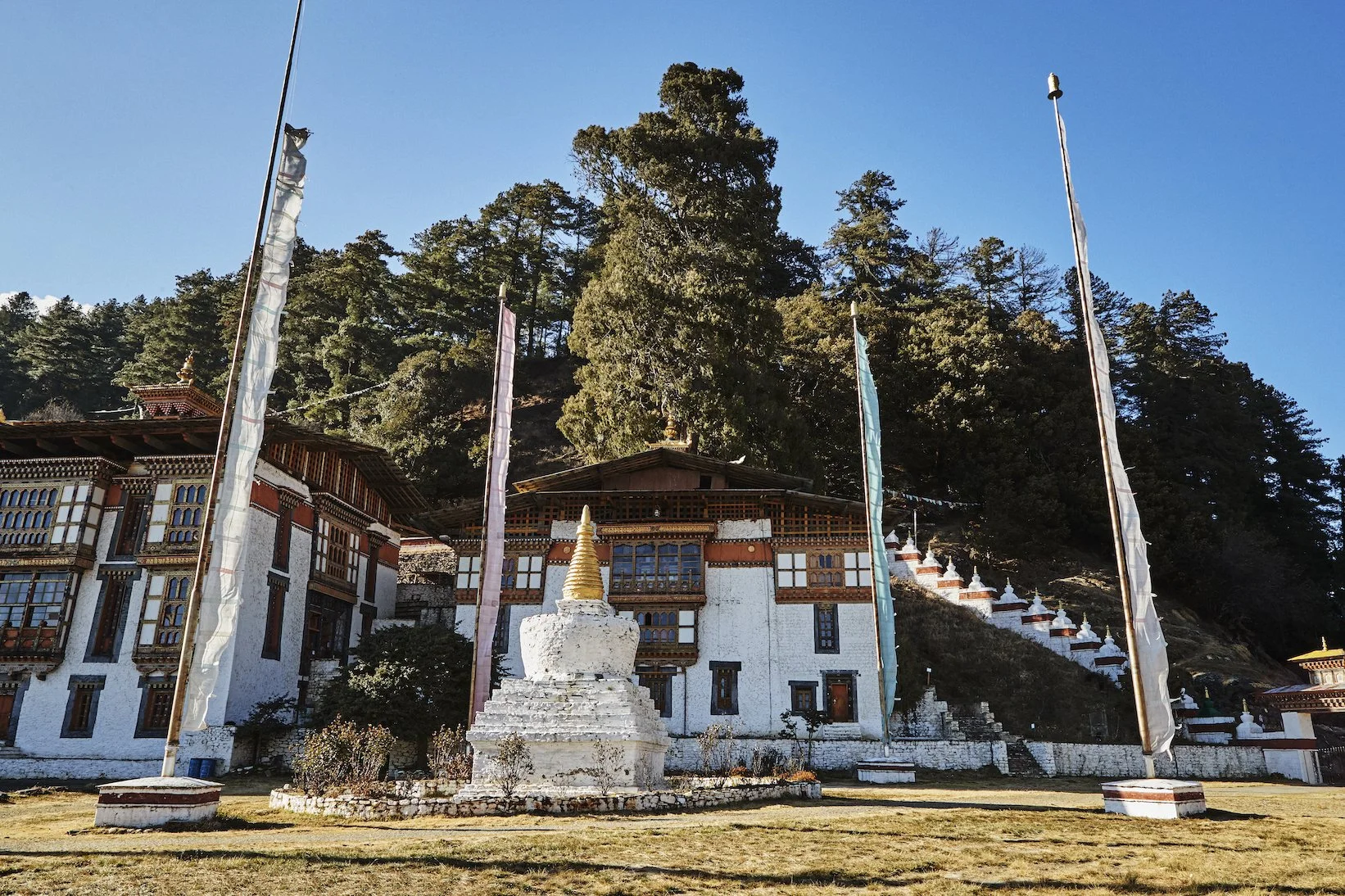
While in Bumthang a visit to Membertsho (The Burning Lake) is a must. Mebertsho is a highly revered pilgrimage site, visited but both the local community and visitors who come here to offer prayers and seek blessings. Picture clear waters reflecting images of the surrounding hills, prayer flags blowing in the breeze and an atmosphere of serene contemplation. Bliss.
Another ‘not to be missed’ experience is Bushman’s Hike. Its one of Bhutan’s classic hiking routes and perfectly showcases the natural beauty and cultural heritage of the region. Along the way we passed through picturesque landscapes, ancient monasteries and traditional villages. While I’d say a moderate level of fitness is required, a stop for a picnic lunch along the way make things more leisurely and accessible for most people.
![Suite_balcony_[9018-LARGE].jpg](https://images.squarespace-cdn.com/content/v1/6842b11fd3fadb0a8485a54d/1772109471380-J2MGJUSJ474NBPH8YZ2Y/Suite_balcony_%5B9018-LARGE%5D.jpg)
![Suite_interior_2_[9019-LARGE].jpg](https://images.squarespace-cdn.com/content/v1/6842b11fd3fadb0a8485a54d/1772109473419-MN0Y3F2JNF7RFBGWWXOZ/Suite_interior_2_%5B9019-LARGE%5D.jpg)
Day 5 & 6 - Six Senses Gangtey - Bird Watching Bridge
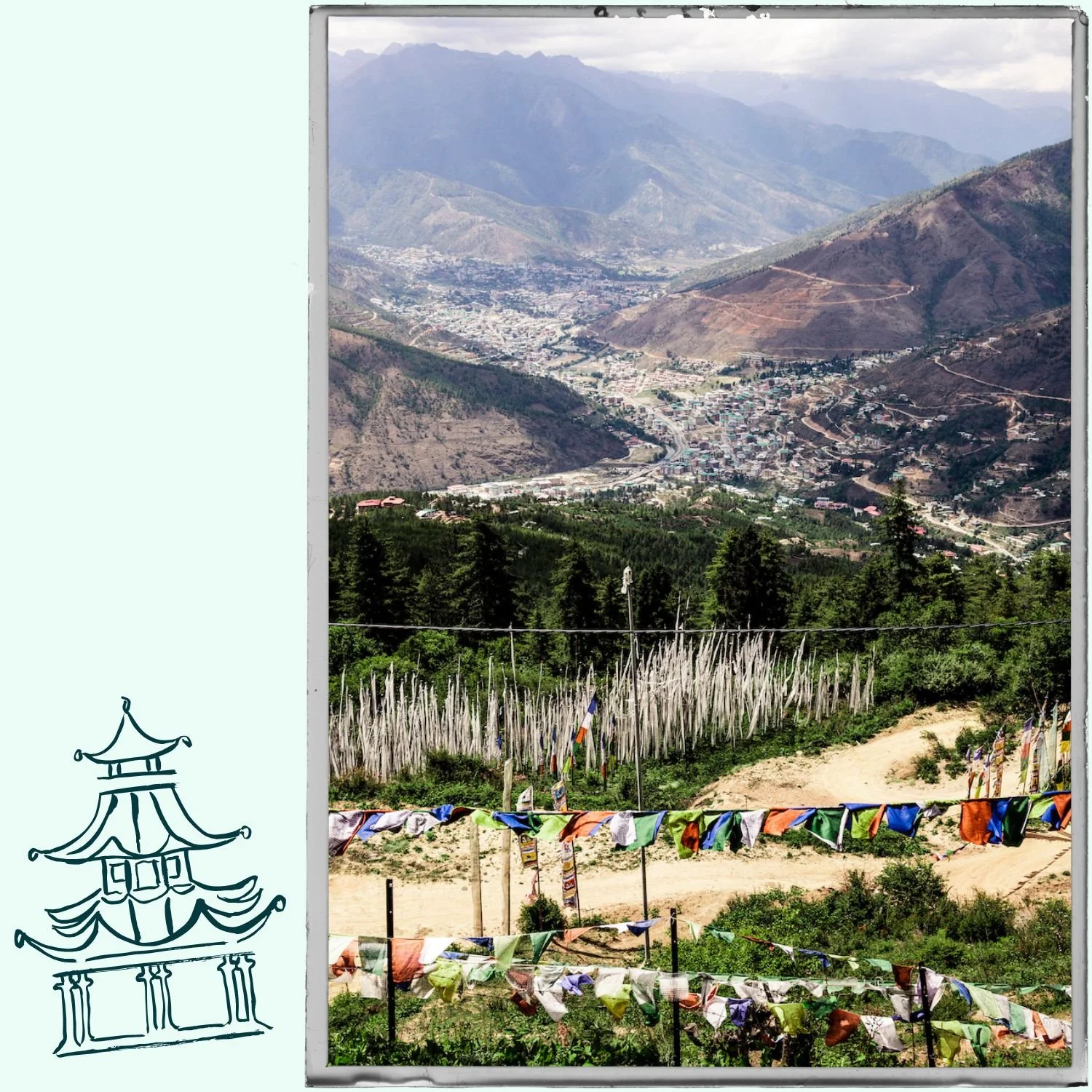
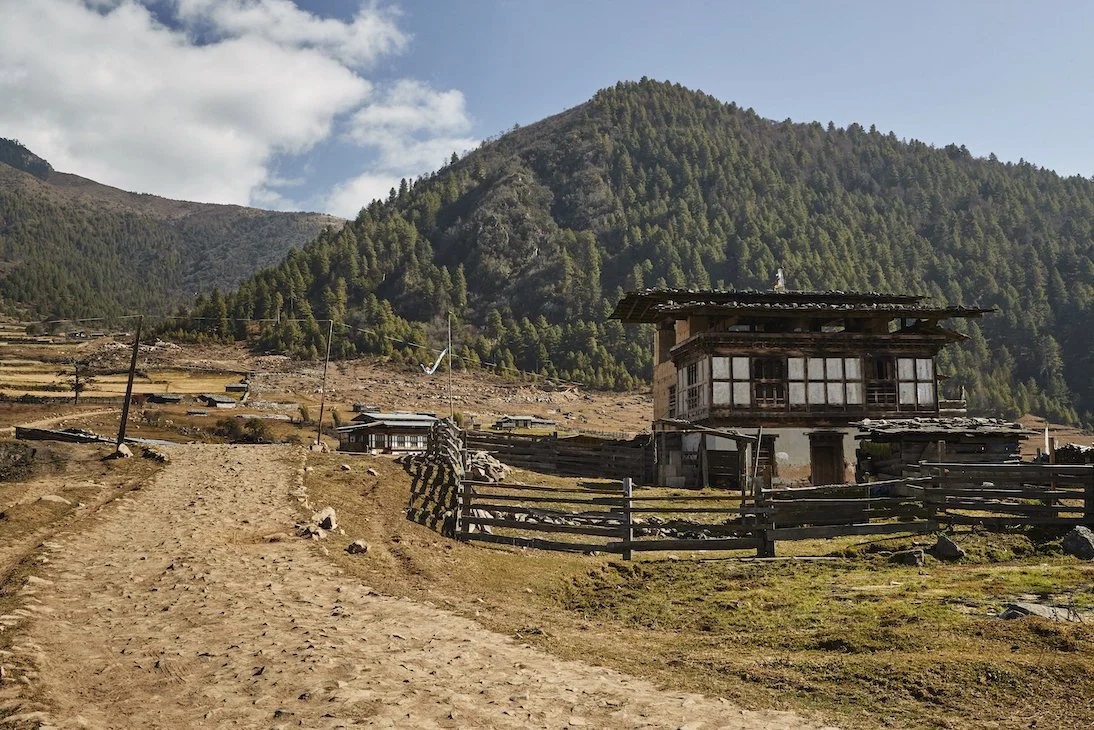
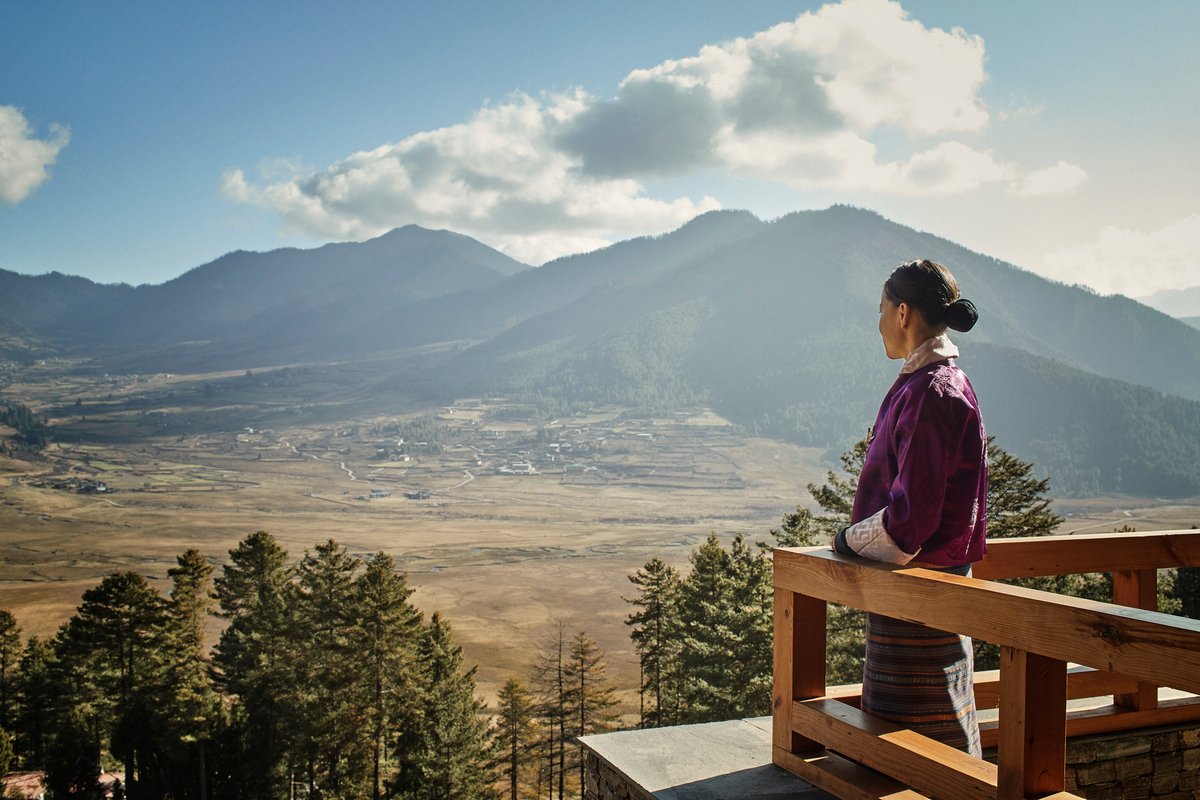
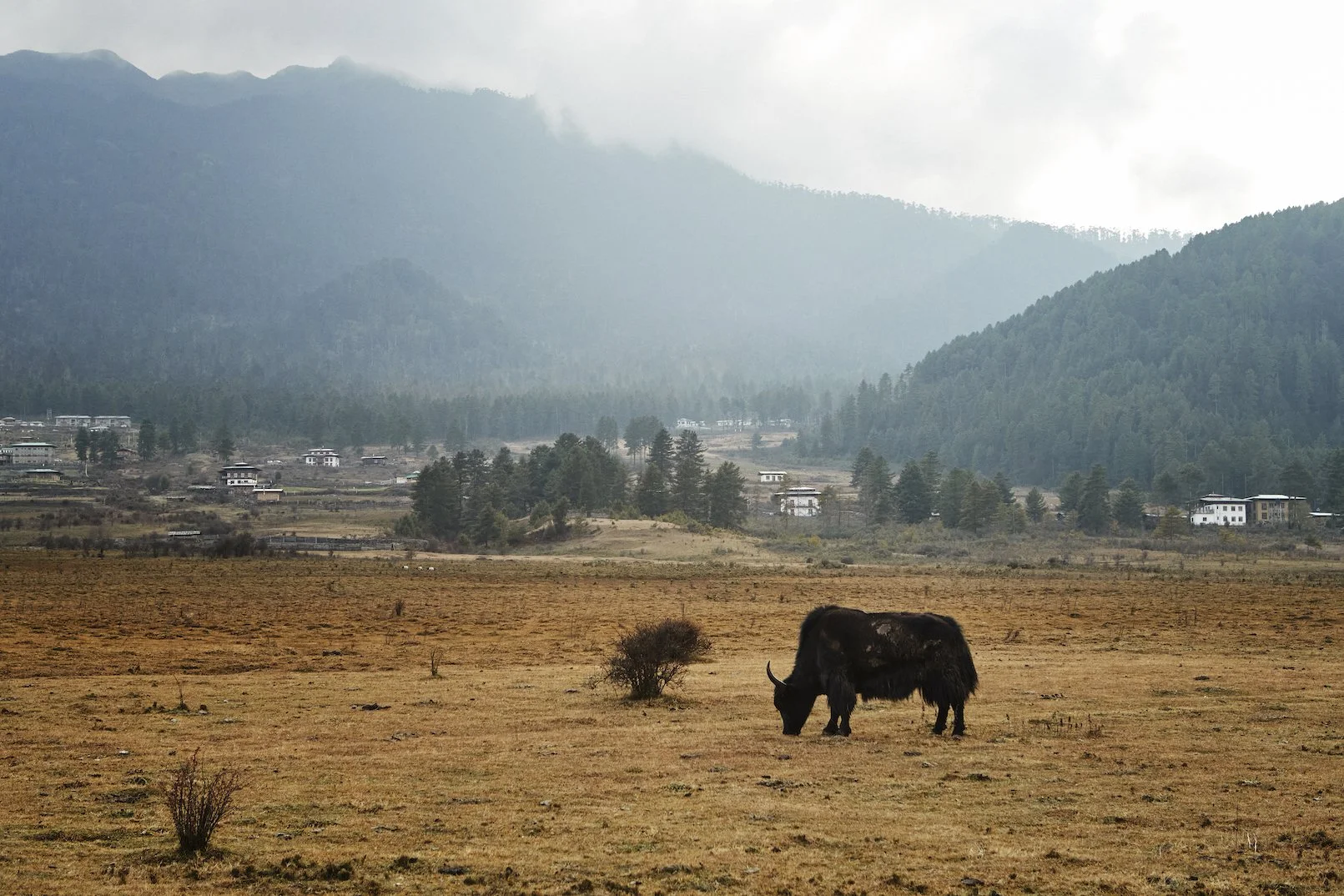
The next stop on our journey was Phobjikha valley. Phobjikha is a high-altitude (2,865m) valley. It’s quiet and remote, home to lots of small villages, ancient temples, yak herders and the rare black-necked cranes.
While you need to be prepared for a lengthy transfer (4.5 - 5 hours), the beautiful scenery and stop in Trongsa makes the time flyby.
Upon arrival at Six Senses Gangtey, I was instantly taken with the intimate atmosphere and stunning views. I had a feeling it was going to be a really special couple of days and I wasn’t wrong.
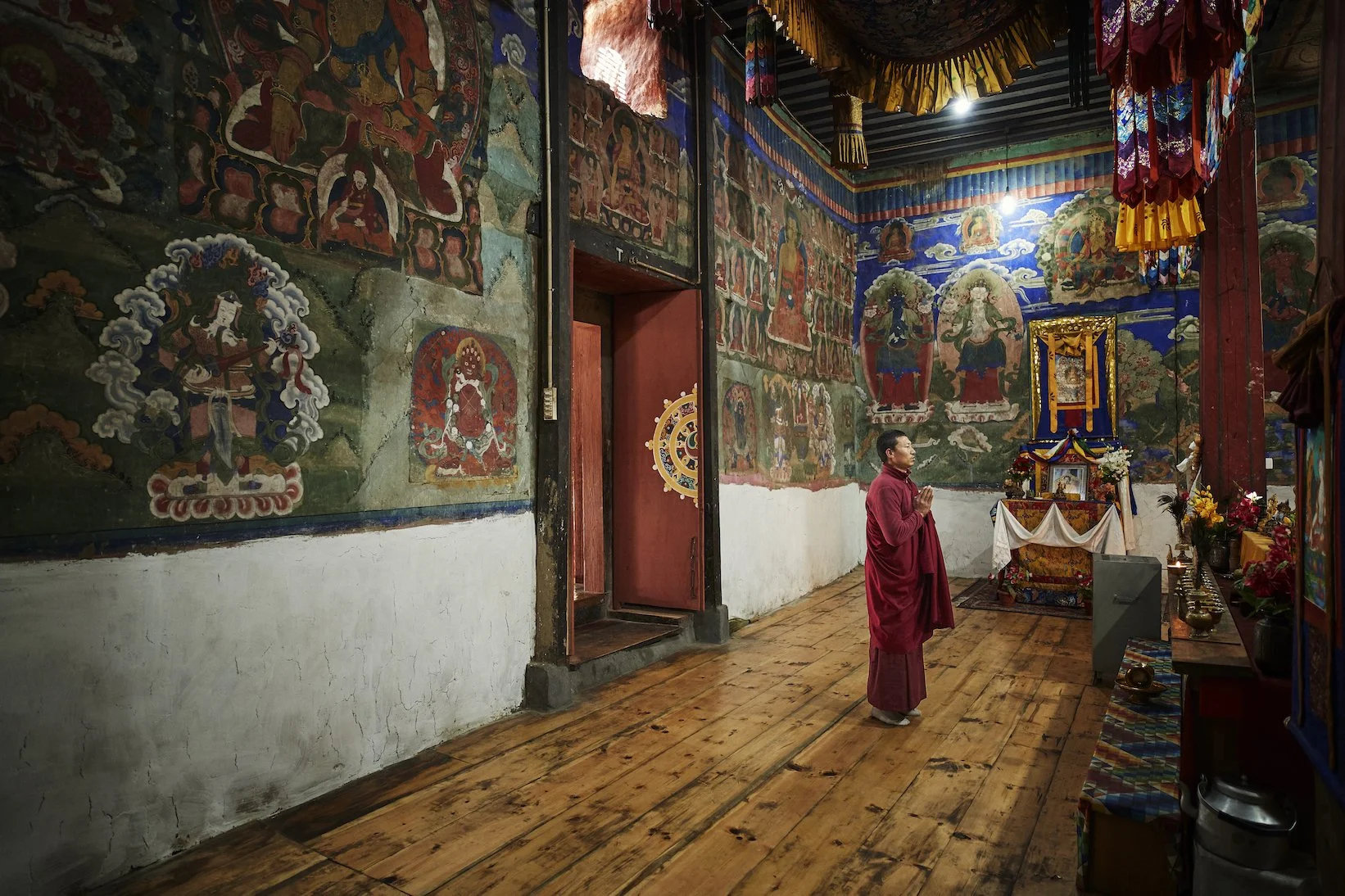
That afternoon we took a visit to the ancient temple of Khewang Lhakhang. Observing local prayers here was one of the most overwhelming spiritual experiences of my life!
On our second day in Phobjikha, we set out on another of Bhutan’s classic hiking routes - the Loma Longtey Trail. The route begins at Pele La Pass and winds through a small village where yak herders put up their camps during winter. Finishing at an elevation of 3,700m (12,140ft), it’s a challenging hike and I’d say it does require a good level of fitness. The views over the valley are definitely worth it but for anyone not able to participate, a visit to a local nunnery comes highly recommended.
Be sure not to miss an evening at the Cow Shed. Set within the living quarters of a century-old traditional dwelling, we enjoyed an intimate meal cooked over a traditional clay stove, surrounded by simple candlelight - a truly unique dining experience.
![Gangtey_Suite_bedroom_[9065-LARGE].jpg](https://images.squarespace-cdn.com/content/v1/6842b11fd3fadb0a8485a54d/1772110082344-RSZ8BDS69N8OMUU38Q26/Gangtey_Suite_bedroom_%5B9065-LARGE%5D.jpg)
Day 7 & 8 - Six Senses Punakha - Flying Farmhouse
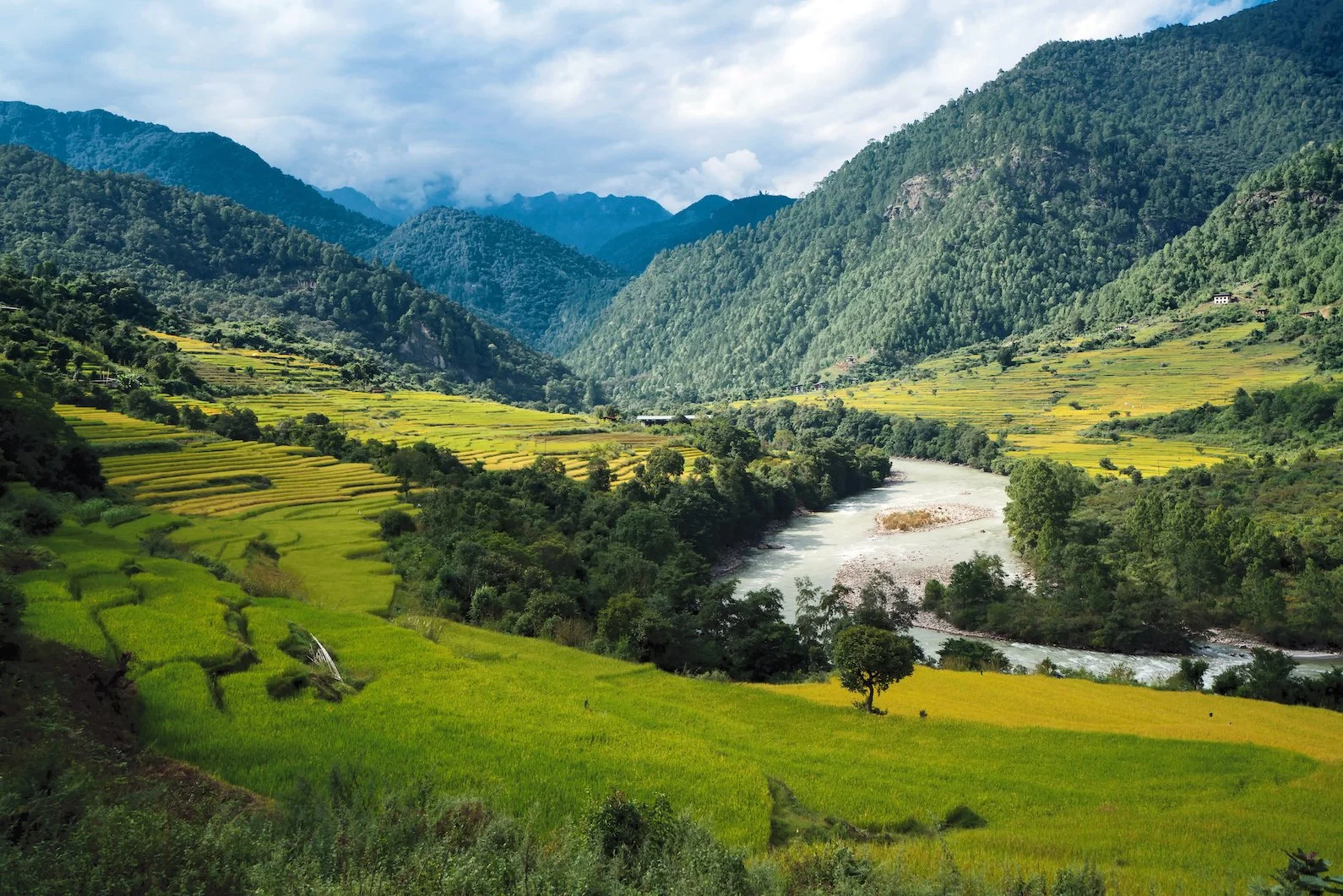
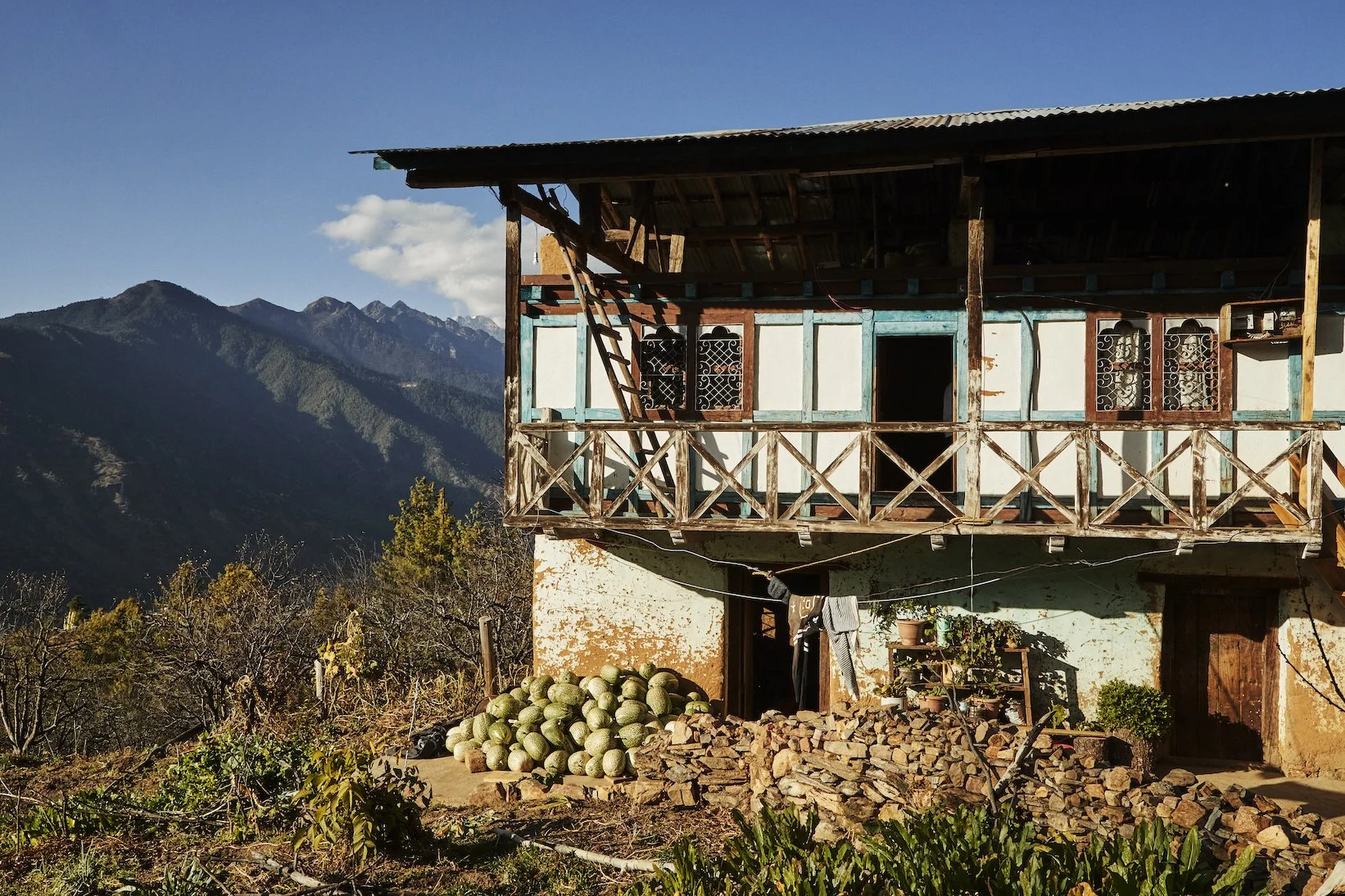
With all that we’d seen and done by this point, it was hard to believe that we were still only half way through our time here. Our next destination was Punakha valley, a lush subtropical valley made up of charming farmhouses and terraced rice fields. It takes around 2.5 hours to reach by road from Gangtey.
Six Senses Punakha sits at a lower altitude and the focal point of the resort is the cozy ‘flying farmhouse’ - a cantilevered wooden structure serving as the lodge lounge & reception looking out over views of the pool and surrounding rice fields. It’s the perfect place to enjoy hiking along the river to local temples, or simply enjoying some downtime relaxing by the pool.
On our full day in Punakha we rose early to hike across the rice terraces to a 16th century hilltop monastery, and wow, what a special experience. Greeted by young monks in training, we were given a brief tour of the monastery, before sitting down together for a relaxed breakfast. Casual conversation led to discovering detail about their daily lives and learning about their decisions to become monks. Fascinating.
And, if hearing the word hike makes you worry you wouldn’t be able to participate, there’s no need. Guests have the option of being driven in time to join for breakfast, so no one needs to miss out.
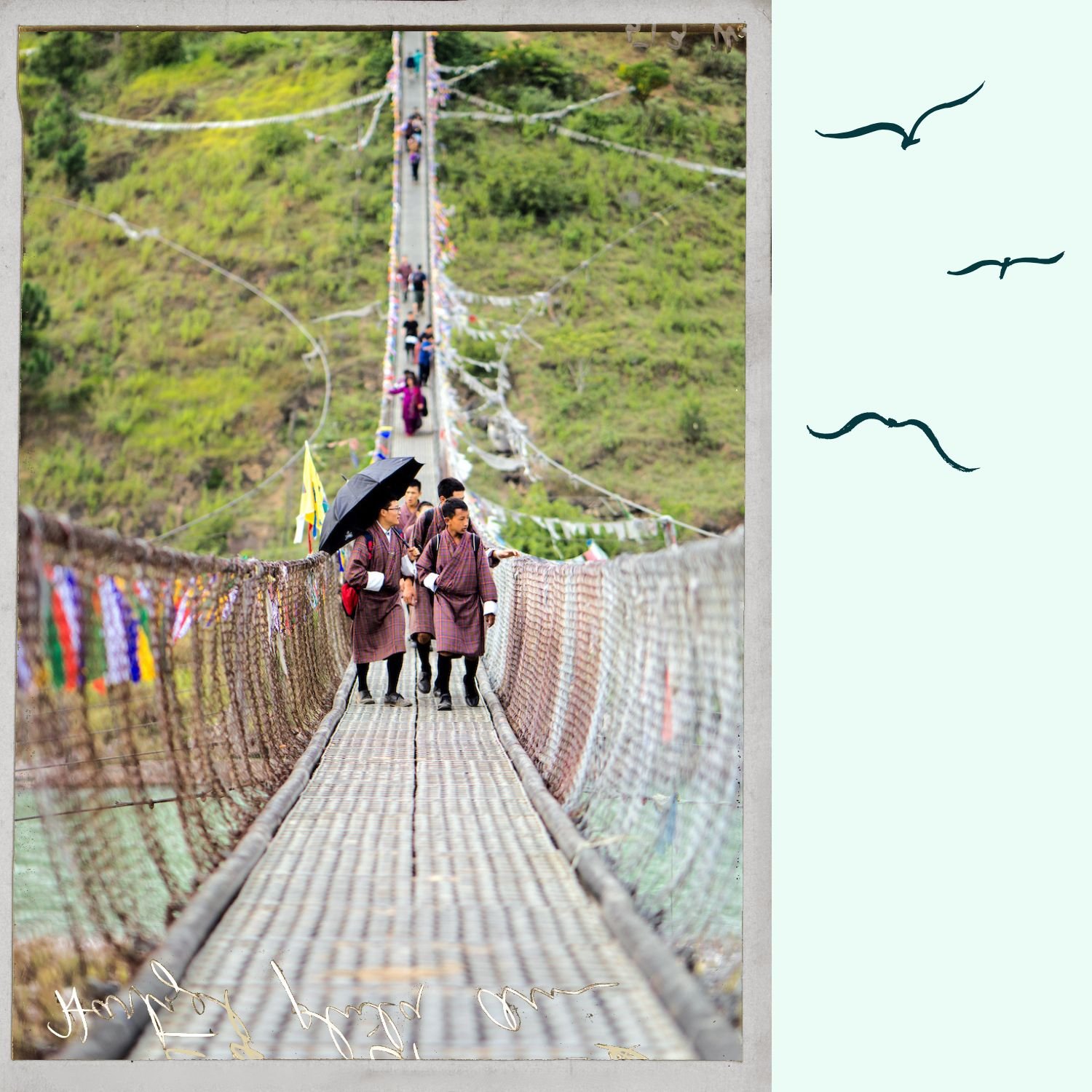
As if the morning antics weren’t enough, that afternoon we took a drive to visit to Punakha Dzong. Dzongs are huge fortress-monasteries found across Bhutan and Punakha Dzong is one of the most striking - mainly thanks to its striking location sandwiched between the Pho Chhu and Mo Chhu rivers. Oh, and it also happens to sit next to one of the country’s longest suspension bridges which provides the perfect opportunity to snap photos of locals crossing the river, surrounded by the colourful flags.
The day rounded up watching the sun set over the dzong, signature Six Senses pomegranate Martinis in hand - the most perfect way to wrap up such a special day.
![Flying_Farmhouse_and_paddy_fields_with_farmers_[9224-LARGE] (1).jpg](https://images.squarespace-cdn.com/content/v1/6842b11fd3fadb0a8485a54d/1772110617634-27NA0Y6K8M60HASHBDIB/Flying_Farmhouse_and_paddy_fields_with_farmers_%5B9224-LARGE%5D+%281%29.jpg)
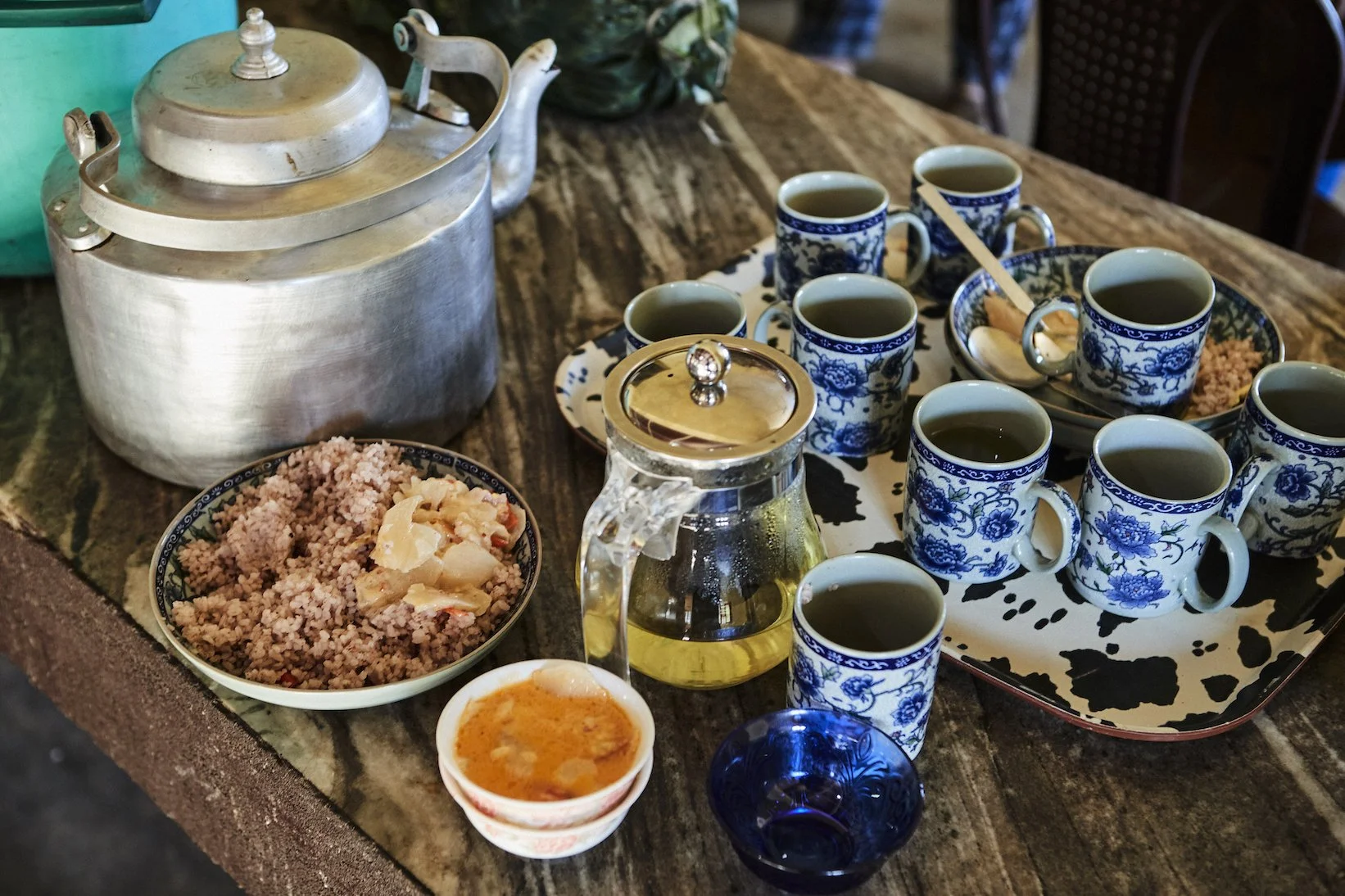
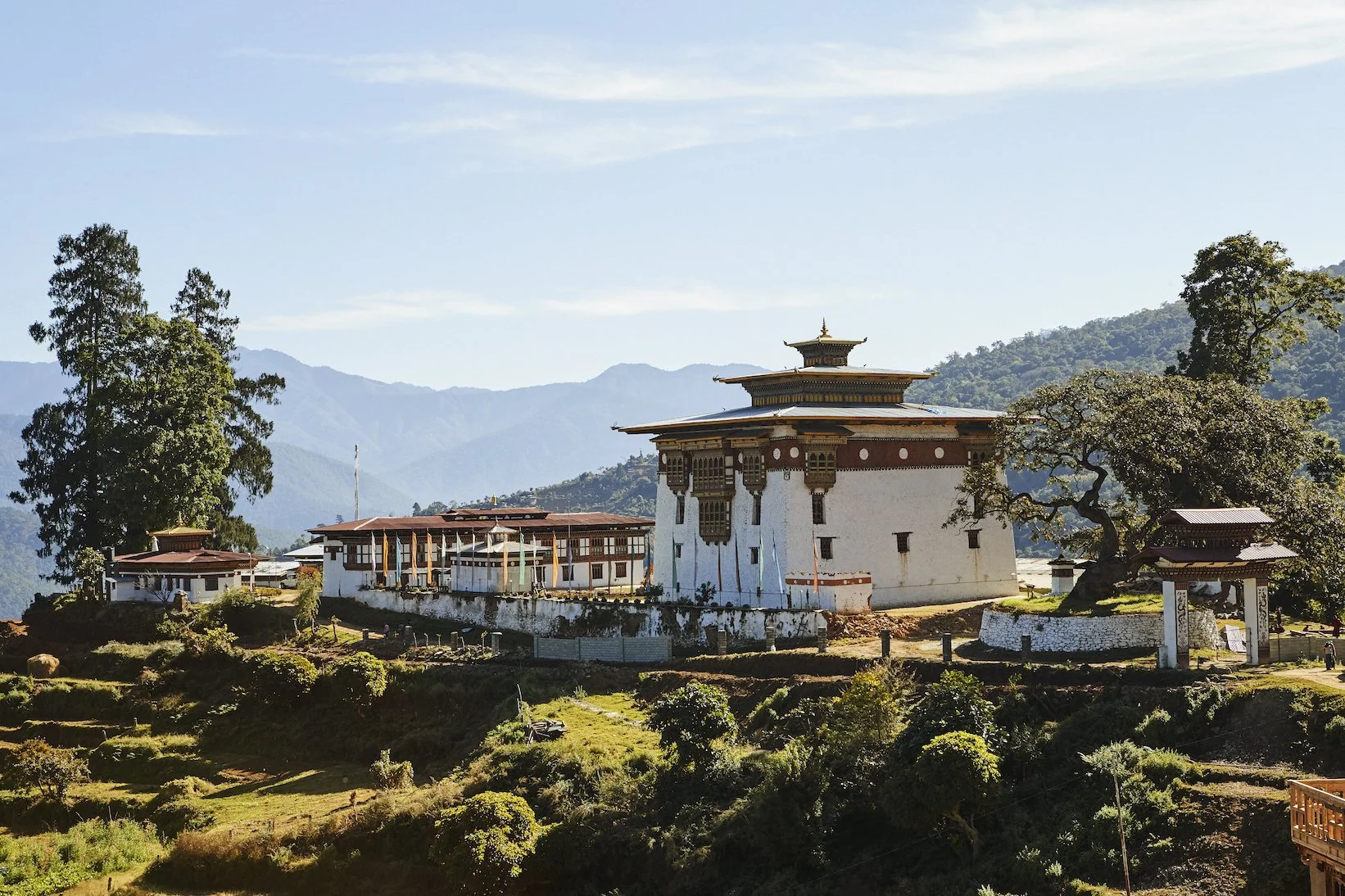
![Punakha_Private_Breakfast_Setup_[9247-LARGE].jpg](https://images.squarespace-cdn.com/content/v1/6842b11fd3fadb0a8485a54d/1772110624581-SDEWPH8ES0AOF8Y1QY3E/Punakha_Private_Breakfast_Setup_%5B9247-LARGE%5D.jpg)
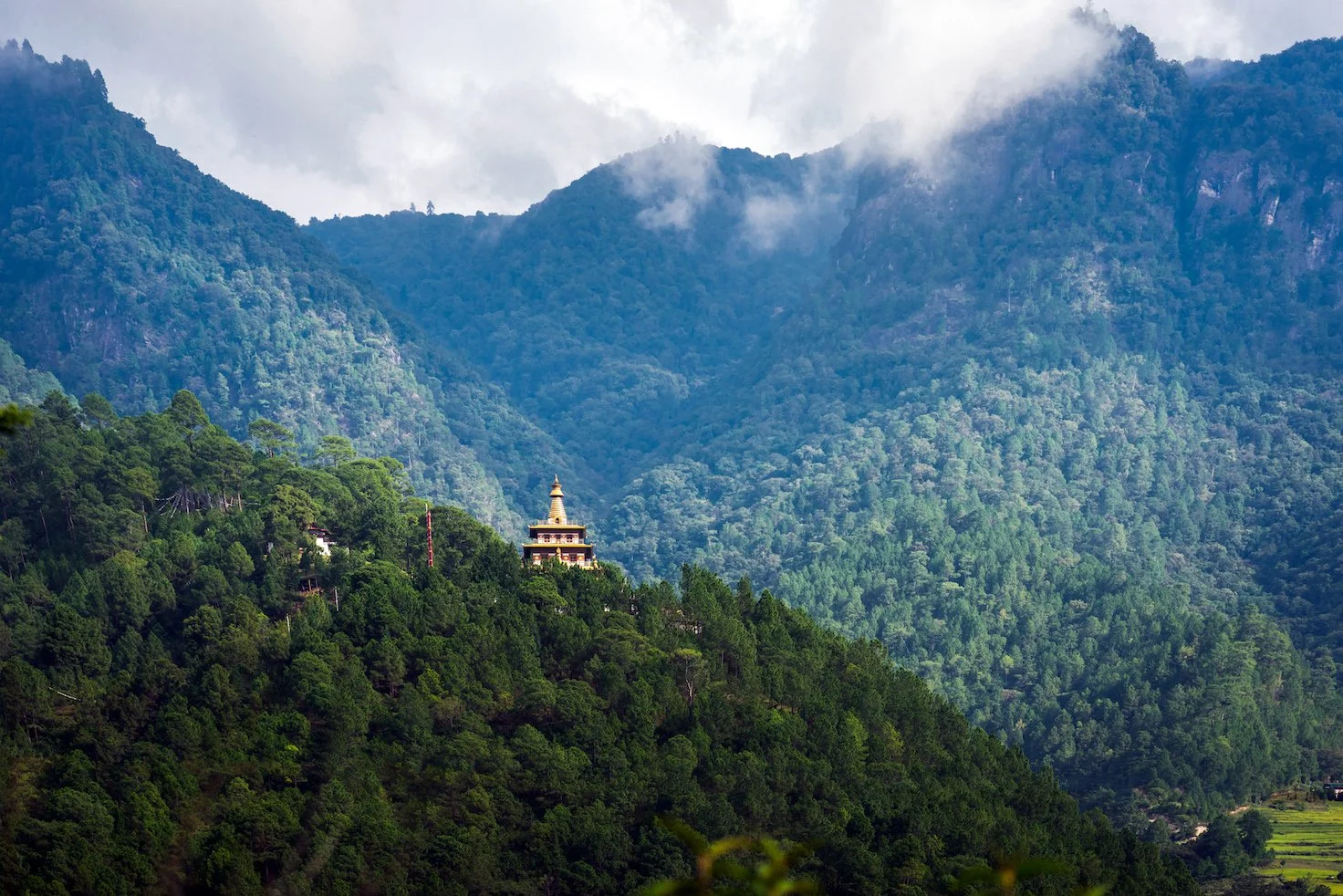
Day 9 & 10 - Six Senses Paro - Stone Ruins
Prepared for our final morning on the road, we travelled to our last stop, Paro valley. While we were pretty used to lengthy car journeys by this point, a stop in Paro town at a local prayer flag workshop was a welcome break. Here we met a beautiful family who’ve been making prayer flags by hand for generations. They generously shared their time to teach us their techniques and and guide us in making our own flags to take away with us.
Arriving at Six Senses Paro brought a wave of strange anticipation that this was our final stop, but nothing to stop us enjoying a quiet afternoon at the spa, followed by dinner and an early night. We had an early start the next day.
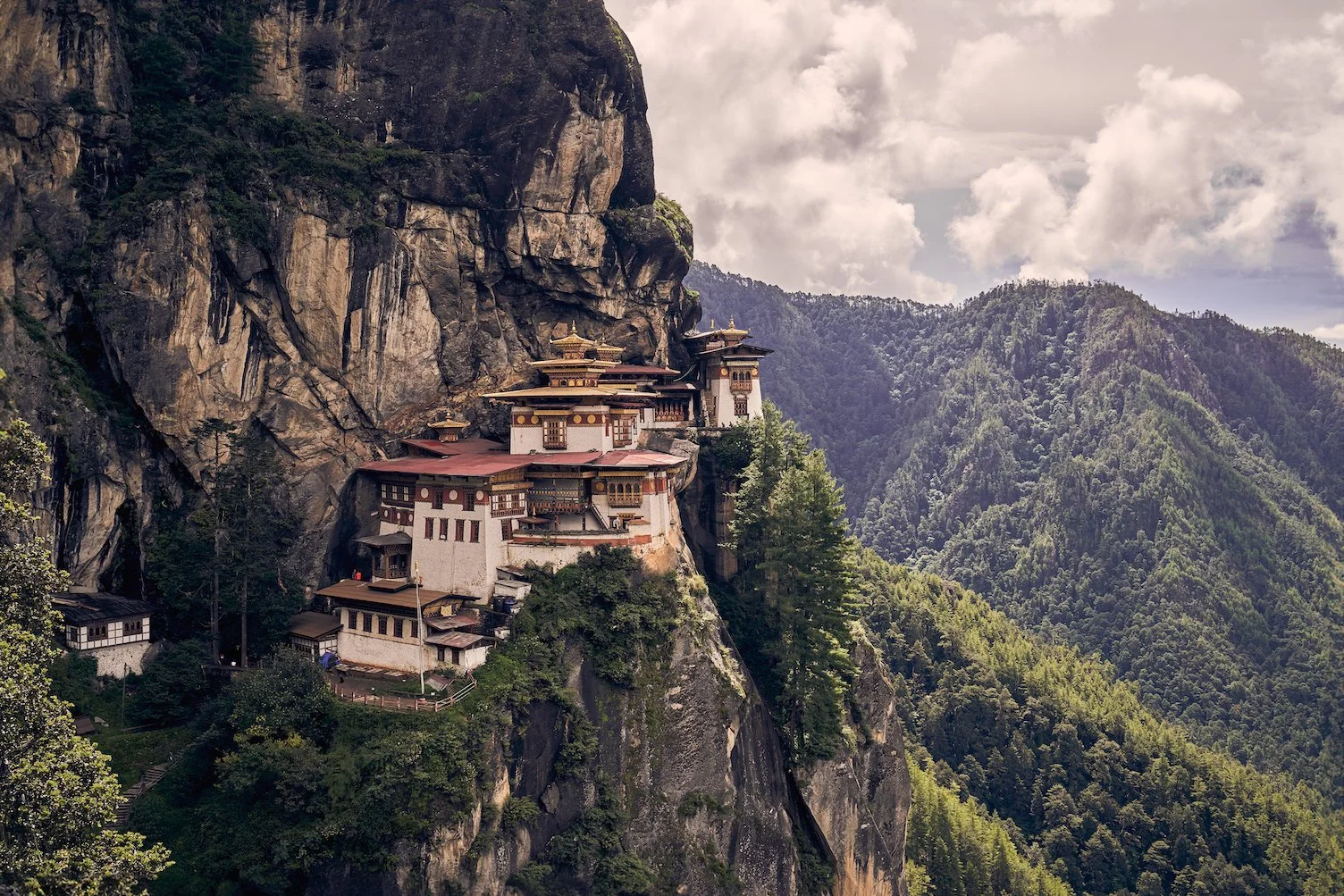
You know the saying ‘save the best for last’? Well that certainly applies here.
The moment had come for our hike to Taksang Goemba, or as it’s most famously known, Tiger’s Nest. We all know the image of the temple nestled into the cliffside. It’s likely to be the reason why Bhutan is on your radar in the first place.
The story goes that in the 8th century, the venerable saint of Guru Pimpoche arrived at Tiger’s Nest on the back of a flying tigress, bringing the faith of Buddhism to the country for the very first time.
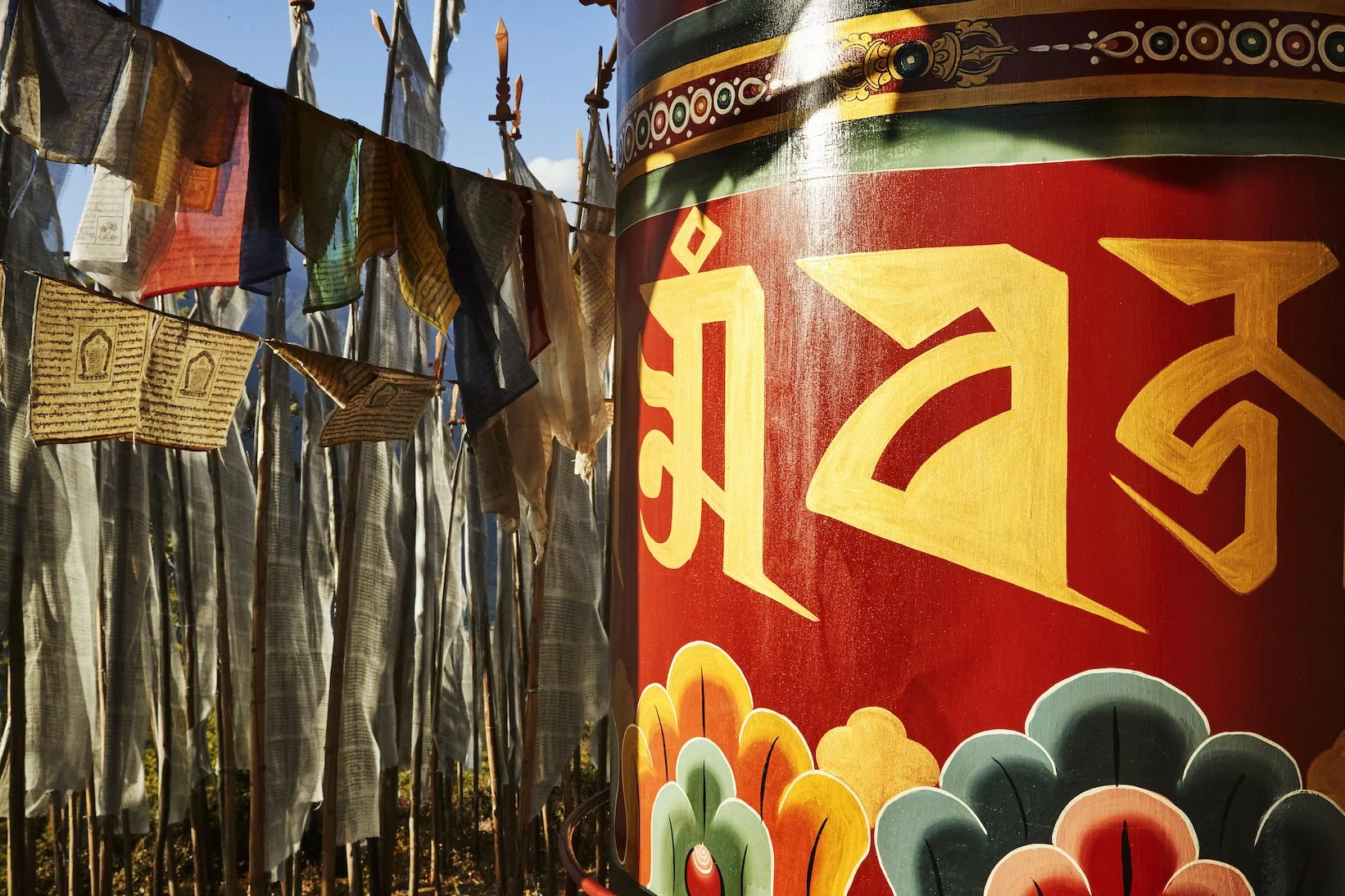
There is no getting around the fact that this is a challenging hike, but if you’re going to attempt any hike in Bhutan, this is the one to go for, it’s absolutely worth the effort - seeing this iconic temple with my own eyes is something that will stay with me forever. And when your time comes, don’t forget to take a moment to pause, hang a flag, and release your hopeful wishes to be carried off and nurtured in this sacred place.
We rounded the day with a visit to a tiny 16th century monastery, a quick 10 minute walk from the lodge. Dressed in a kira - a traditional Bhutanese dress - we carefully lit 108 butterlamps which gently filled the room with soft, flickering light. Atmosphere set, we settled to listen to calming blessings from one of the resident monks. It was the perfect way to spend some time reflecting on what had been a life-changing trip, and in that moment I felt nothing but happiness and complete gratitude.
![Host_setting_up_terrace_3_[9215-LARGE].jpg](https://images.squarespace-cdn.com/content/v1/6842b11fd3fadb0a8485a54d/1772111549039-D9QZS3AT4L1RUF2TAUYS/Host_setting_up_terrace_3_%5B9215-LARGE%5D.jpg)
![Paro_Suite_Bedroom_[9206-LARGE].jpg](https://images.squarespace-cdn.com/content/v1/6842b11fd3fadb0a8485a54d/1772111555245-I243DMKR3H7JF5YHUCXD/Paro_Suite_Bedroom_%5B9206-LARGE%5D.jpg)
![Paro_Main_Building_with_Stone_Ruins_[8987-LARGE].jpg](https://images.squarespace-cdn.com/content/v1/6842b11fd3fadb0a8485a54d/1772111553264-HLKUF8Q5K3JTRP9TUL7E/Paro_Main_Building_with_Stone_Ruins_%5B8987-LARGE%5D.jpg)
![Paro_Sauna_at_Spa_[9179-LARGE] (1).jpg](https://images.squarespace-cdn.com/content/v1/6842b11fd3fadb0a8485a54d/1772111553861-TM11TBT8AGI20HYOKYMM/Paro_Sauna_at_Spa_%5B9179-LARGE%5D+%281%29.jpg)
Sign off…
I hope this deep dive has given you a real insight as to why I have fallen in love with Bhutan and provided the inspiration for your own visit. I can’t end without saying a huge thank you to the team at Six Senses and trusted colleagues at Flospitaily representaion for the invitation and making this a dream come true.
While I know that not all of you will embark on this specific journey, I’d love to guide you in planning a trip that meets your personal ideas and dreams. Finally, be sure to read my more Practical Guide to Bhutan for more inside tips and please do get in touch should you wish to start making your Bhutan plans today, I can’t wait to hear from you!